

A microdermabrasion pen and a microneedling pen may look similar in an online listing, but they address skin texture in different ways. Microdermabrasion exfoliates the surface. Microneedling creates controlled punctures to stimulate a healing response. For superficial roughness, exfoliation may be relevant; for indented acne scars, professional microneedling may be worth discussing with a dermatologist. Neither is the right starting point for every bump, enlarged pore or uneven patch.
The useful comparison is not which device sounds more powerful. It is whether your concern sits mainly at the surface, involves scar tissue or reflects a skin condition that needs treatment first. Before buying, you also need to separate professional treatment evidence from the promises made for home devices. This guide explains those differences, realistic expectations and what to check if a Dr. Pen device is on your shortlist.
How a microdermabrasion pen differs from a microneedling pen
Microdermabrasion removes some of the outermost dead skin cells through mechanical exfoliation. Professional systems may use a diamond-coated tip or crystals, often with suction to collect debris. Handheld consumer products vary, so the word “pen” alone does not tell you how a device works or how well it performs.
Microneedling uses a cartridge containing fine needles that move into and out of the skin. Medical microneedling reaches living tissue and can stimulate collagen remodeling during healing. It is not simply a deeper form of exfoliation.
| Comparison | Microdermabrasion | Microneedling |
|---|---|---|
| Main action | Mechanical surface exfoliation | Controlled needle punctures |
| Typical texture goal | Superficial roughness and dull appearance | Selected scars and other concerns suited to collagen remodeling |
| Treatment head | Abrasive tip or crystal-based system | Needle cartridge |
| Expected change | Smoother surface feel, often temporary | Gradual improvement over weeks to months |
| Key risks | Irritation, abrasions, bruising and pigment changes | Bleeding, infection, pigment changes and scarring |
Suction strength and needle depth are not interchangeable measures of effectiveness. More aggressive treatment can increase injury without addressing the reason your skin feels uneven.
Match the treatment to the texture you actually have
Dry-feeling roughness and surface dullness
A microdermabrasion pen may help remove accumulated surface cells, but roughness does not automatically mean your skin needs abrasion. Dryness, eczema, over-exfoliation and irritation from skincare can all create an uneven feel.
If your skin stings, peels or feels tight, start with a gentle routine and assessment rather than a device. Abrading an already irritated barrier can make the texture more noticeable. Persistent scaling or rough patches deserve a diagnosis, especially if they are localized or changing.
Indented acne scars
Depressed acne scars involve structural changes below the surface. Removing dead cells cannot lift a deep depression, although smoother surrounding skin may temporarily change how it looks.
Professional microneedling can improve the appearance of some atrophic acne scars, but scar shape matters. Narrow ice-pick scars, broad rolling scars and sharply edged boxcar scars may require different approaches. Tethered scars can need treatment that releases the underlying attachment rather than surface treatment alone.
Dr. Pen Store’s guide to microneedling for scars offers additional background. Use it to prepare questions for a clinician, not to choose a needle depth from a photograph.
Small bumps, visible pores and uneven color
Bumps can be clogged pores, active acne, milia or another condition. Neither device should be used as a shortcut to diagnosing them. Do not needle inflamed acne lesions or use aggressive suction to try to empty every visible pore.
Flat brown or red marks left after acne are also different from indented scars. They may need pigment-focused treatment or time rather than a texture procedure. Neither approach permanently closes pores, and irritation can make both pores and discoloration look more prominent.
Compare results and recovery, not just before-and-after photos
The immediate smoothness from a microdermabrasion pen should not be confused with scar remodeling. Exfoliation can change how the surface feels quickly, while collagen-related changes take longer to assess.
| Question | After microdermabrasion | After medical microneedling |
|---|---|---|
| What may be noticeable first? | Smoother feel or temporary redness | Redness, tenderness and sometimes swelling |
| When should texture be judged? | Once temporary irritation settles | After healing and sufficient time for remodeling |
| Can one session erase scars? | No | No |
| Can recovery vary? | Yes, with intensity and skin sensitivity | Yes, with treatment intensity, location and individual healing |
| What complicates comparison photos? | Lighting, moisturizers and temporary changes | Lighting, swelling and photos taken too early |
Ask a provider to explain the expected recovery for your specific treatment, including when you can resume makeup and active skincare. There is no single downtime estimate that applies to every device and patient.
For a fair comparison, use photographs taken under the same lighting, at the same distance and without filters. Judge healed skin rather than the temporary plumping that can follow inflammation. Improvement is possible, but a promise of completely smooth, poreless skin is not a realistic buying criterion.
Why professional treatment and home devices are not equivalent
Buying a microdermabrasion pen does not reproduce a professional assessment, controlled technique or follow-up care. Likewise, a skin-penetrating pen sold online is not automatically appropriate for unsupervised use.
The FDA’s guidance on microneedling devices explains their risks and regulatory status. The agency states that it has not authorized microneedling medical devices for over-the-counter sale. Superficial cosmetic products and medical microneedling devices should not be treated as the same category.
For skin-penetrating treatment, consult an appropriately trained, licensed healthcare professional who can assess your skin, medical history and treatment goals. A provider should also explain infection control, cartridge handling and how complications will be managed.
An esthetician license alone does not establish permission to perform medical microneedling throughout the US. Scope-of-practice rules, supervision requirements and permitted procedures vary by state. Ask who will perform your treatment and what authorization applies where you live.
The store’s comparison of SkinPen microneedling and at-home pens explores why treatment setting and supervision belong in the buying decision, not just device specifications.
What to check before choosing a Dr. Pen device
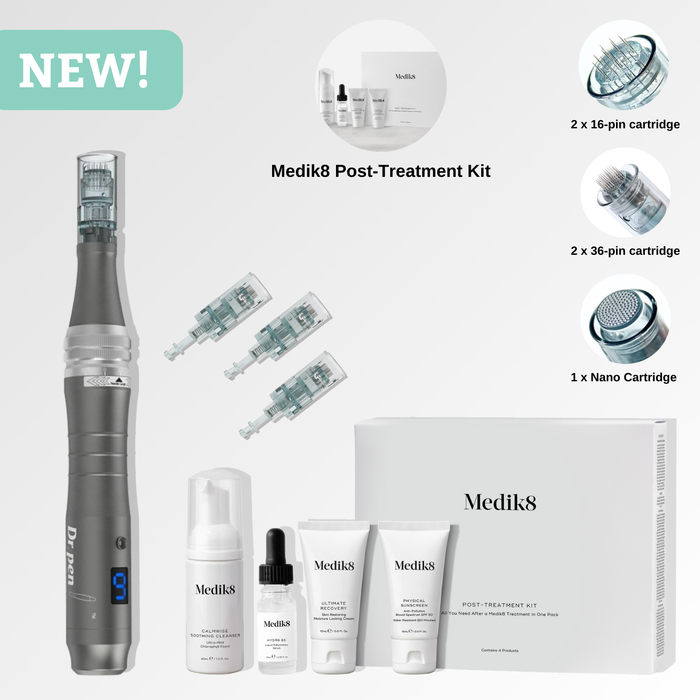
Dr. Pen products are microneedling devices, not substitutes for a microdermabrasion pen. If your goal is simple surface exfoliation, buying a needle-based device changes the procedure and its risks rather than upgrading the same treatment.
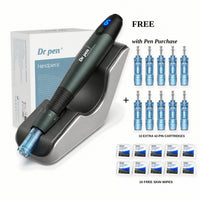
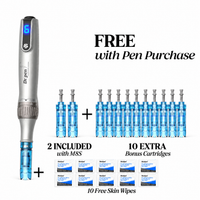
If professional microneedling is appropriate, compare the exact model with your practitioner. Dr. Pen Store carries models including the A20, M8S, A11 and A8S, but a model name or number is not evidence that one will produce better results for your scars.
Start with the device’s intended use, official instructions and intended user. FDA clearance is specific to a device and its labeled indications. It is not a blanket endorsement of every model from a brand, every accessory or every advertised treatment goal.
Authenticity matters too. Use the manufacturer-verification process supplied for the product and check that the model, packaging and documentation agree. An unusually low price, a marketplace badge or a seller’s use of “professional” does not establish authenticity or suitability.

Confirm cartridge compatibility before purchasing
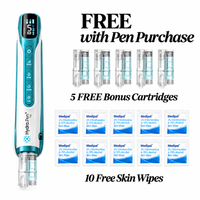
Replacement heads for a microdermabrasion pen and needle cartridges for a microneedling device perform different jobs. Even within one microneedling brand, do not assume cartridges fit across models because their names or appearance are similar.
Before ordering a replacement cartridge, check these details:
- Exact model compatibility: Match the cartridge listing to the full device model, including any letter or number suffix.
- Packaging and sterility: Check sterile labeling, package integrity and expiration information where provided.
- Single-use requirements: Follow the instructions and never reuse or share a single-use needle cartridge.
- Traceable supply: Buy from a seller that can address authenticity and compatibility questions before purchase.
Needle count alone does not tell you which cartridge is best for a scar or skin type. That choice belongs within the treatment plan and the device’s instructions. Do not buy a cartridge assortment first and decide what to treat afterward.
Put skin safety and recovery ahead of convenience
Neither a microdermabrasion pen nor a microneedling device should be used over active infection, open wounds, sunburn or an undiagnosed lesion. Active inflammatory skin conditions also need assessment before an elective procedure.
Tell your clinician about a history of abnormal scarring, cold sores, pigment changes after inflammation, impaired healing and medicines that affect bleeding or immune function. Darker skin tones are not automatically excluded from treatment, but post-inflammatory hyperpigmentation needs to be considered when choosing technique and aftercare.
For parents researching hands-free electric breast pumps, fitting an appointment around pumping may be a practical concern, but medical suitability comes first. If you are pregnant or breastfeeding, ask your clinician whether elective treatment should wait and have them review any numbing agents and aftercare products.
Do not combine abrasion and needling in the same session on your own or shorten recovery because your skin looks normal again. Follow the treating clinician’s aftercare instructions, including sun protection and when to restart exfoliants or retinoids. Microneedling is also not permission to apply an ordinary cosmetic serum into freshly treated skin.
Seek medical advice for increasing pain, spreading redness, warmth, pus or other signs of infection rather than trying another skincare product.
Frequently asked questions
Is a microdermabrasion pen the same as a microneedling pen? No. The first mechanically exfoliates the surface, while the second uses needles to puncture the skin. Their treatment heads, intended uses and risks differ, even when both are marketed for smoother-looking skin.
Which treatment is better for acne scars? For indented scars, professional microneedling may be more relevant than surface exfoliation. However, scar type determines the treatment plan, and some scars respond better to other procedures or a combination chosen by a dermatologist. Active acne should be addressed before elective scar treatment.
Can an esthetician perform microneedling? It depends on state law, the procedure and the practitioner’s authorization. Check with the relevant state licensing board and ask the clinic who performs the treatment and what supervision is required. A training certificate does not necessarily establish legal scope of practice.
Which professional microneedling pen is best? There is no universally best pen for every patient or clinic. Relevant factors include the device’s intended use, regulatory status, genuine cartridge supply, instructions and practitioner training. Speed settings or model numbers alone cannot predict outcomes.
How useful are Dr. Pen reviews when choosing a device? Reviews may help identify questions about handling, support and replacement supplies. They cannot confirm that treatment is appropriate for your skin or prove clinical effectiveness. Give more weight to verified model information, labeling and a qualified assessment than to dramatic before-and-after images.
Choose the treatment category before the device
If your concern is superficial roughness, establish whether your skin needs exfoliation at all before buying a microdermabrasion pen. If it is indented scarring, arrange a professional assessment rather than trying to treat it with stronger abrasion.
For readers whose practitioner recommends medical microneedling, review the Dr. Pen A20’s model-specific information together. Confirm its labeled use, intended-user requirements and matching cartridges before purchasing. The right purchase starts with the right treatment plan.