


A collagen pen treatment may seem to show no results because visible skin remodeling takes time, the treatment does not match the concern or the course has not been assessed properly. A few days without improvement is not proof of failure. Persistent lack of change after an appropriately planned course, however, deserves a review rather than automatically booking more sessions.
Here, “collagen pen” means a microneedling device that creates controlled skin punctures to stimulate a healing response. It does not inject collagen. It is also different from medication-delivery devices such as weight-loss injection pens, which have unrelated mechanisms and outcomes.
The useful question is not simply whether your skin looks different today. It is whether the right concern was treated, enough recovery time has passed and the comparison is reliable.
Why a collagen pen treatment may look ineffective
1. You are judging inflammation instead of remodeling
Immediately after microneedling, redness and swelling can change how the skin looks. Mild swelling may temporarily soften the appearance of fine lines or shallow depressions. When that swelling settles, the skin can appear to return to its starting point.
That does not establish whether collagen remodeling has succeeded or failed. The early inflammatory response and the later structural response are different stages of healing.
A collagen pen treatment should be assessed after an appropriate healing interval, not by comparing the day-after “plumpness” with your skin a week later. The American Academy of Dermatology’s microneedling guidance explains that improvement develops gradually and full results may take several months.
Ask your provider when your particular concern should be reviewed. A useful plan distinguishes an early recovery check from a later results assessment. Our guide to a realistic microneedling results timeline provides more context for separating temporary changes from longer-term improvement.
2. The treatment does not match the problem
“Better skin” is too broad a goal to judge accurately. Shallow acne scars, expression lines, discoloration and loose skin involve different structures and do not respond identically.
Microneedling can improve the appearance of some atrophic acne scars and fine lines. It does not reliably erase deep scars, remove excess skin or stop the muscle movements responsible for expression lines. Pores also do not permanently disappear.
For example, tethered acne scars may need a scar-specific approach, such as subcision, rather than more sessions of the same treatment. A brown mark mistaken for a scar needs a different assessment from an actual depression in the skin. Melasma requires particular care because irritation can worsen pigmentation in some people.
A collagen pen treatment may therefore produce some texture improvement while leaving the feature that bothers you most unchanged. That is a mismatch between the treatment and the goal, not necessarily a defective device.
Before continuing, name one primary outcome: softer scar edges, less noticeable fine lines or more even texture. Our review of what microneedling effectiveness research can tell you explains why evidence and expectations differ by concern.
3. One session is being judged as a complete course
A single appointment is not always enough to create a noticeable cosmetic difference. Some concerns need a series of treatments, followed by time for the response to develop. The number of sessions depends on the diagnosis, severity, device and individual healing response.
This does not mean everyone needs a prepaid package or indefinite maintenance. Your provider should explain why another session is appropriate and what would count as meaningful improvement.
For a collagen pen treatment, a reasonable review includes the treatment dates, healing between sessions and the time since the most recent procedure. Three appointments assessed immediately after the third are not equivalent to three appointments assessed after the final healing period.
Many professional plans space sessions roughly four to six weeks apart, although some indications or devices require different intervals. More frequent treatment is not a shortcut to better results. Repeated injury before adequate recovery can increase irritation and make progress harder to judge.
If no review point was agreed at the start, ask for one before scheduling another appointment. A clear endpoint helps prevent an open-ended cycle of spending without reassessment.
4. Device features are being confused with treatment quality
A pen's speed options, power supply and cartridge design matter operationally, but none guarantees a visible result. Treatment quality also depends on patient selection, the exact device and cartridge, practitioner training and an appropriate plan for the area being treated.
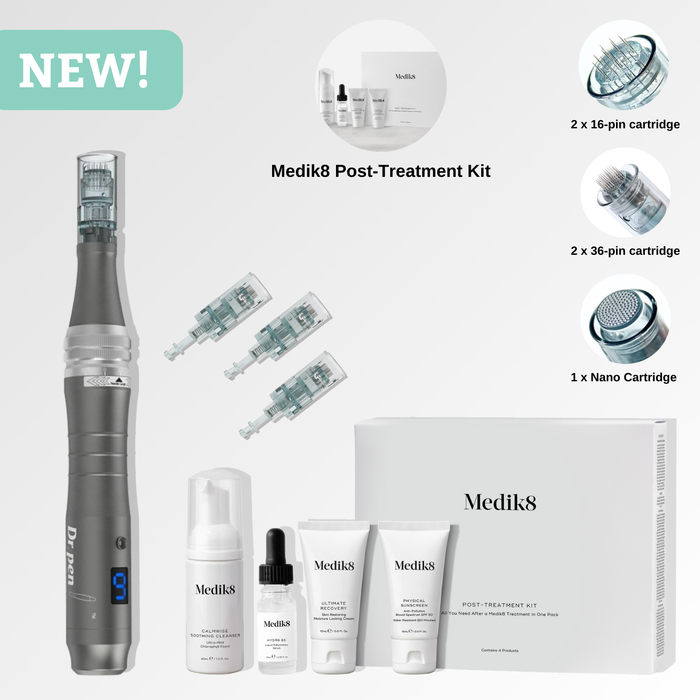
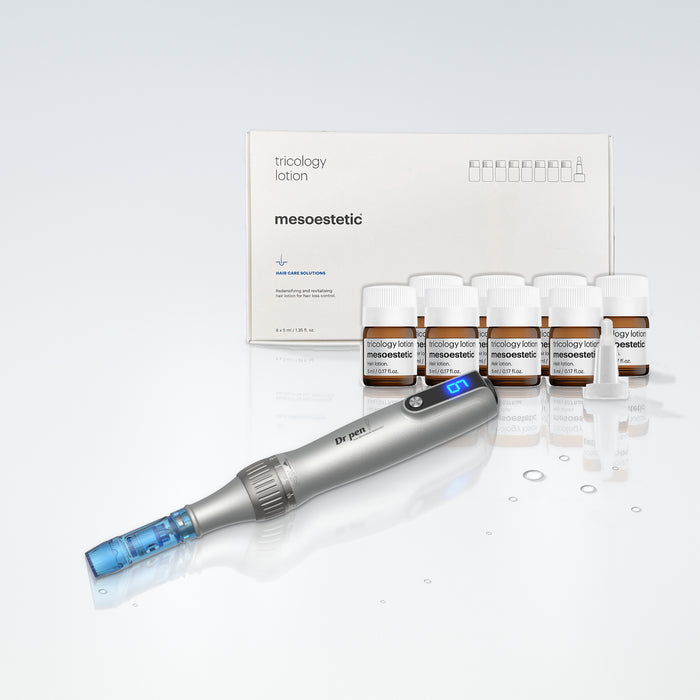
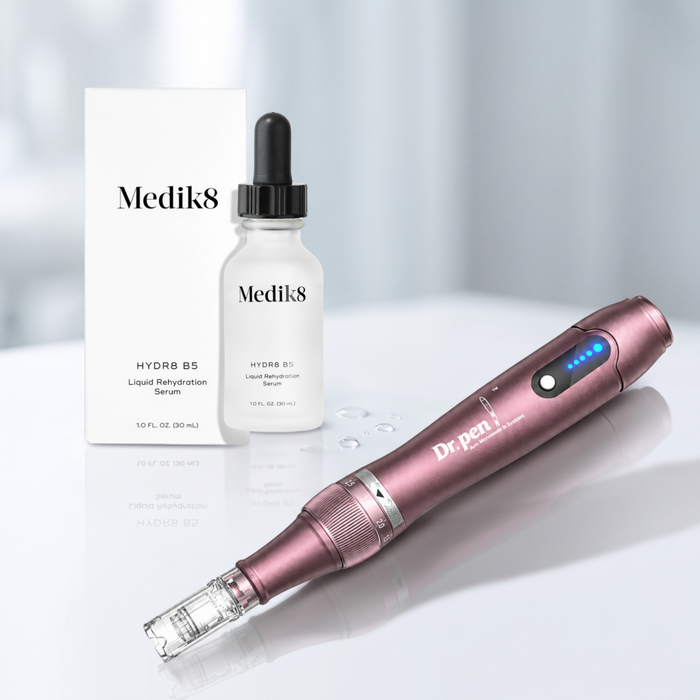
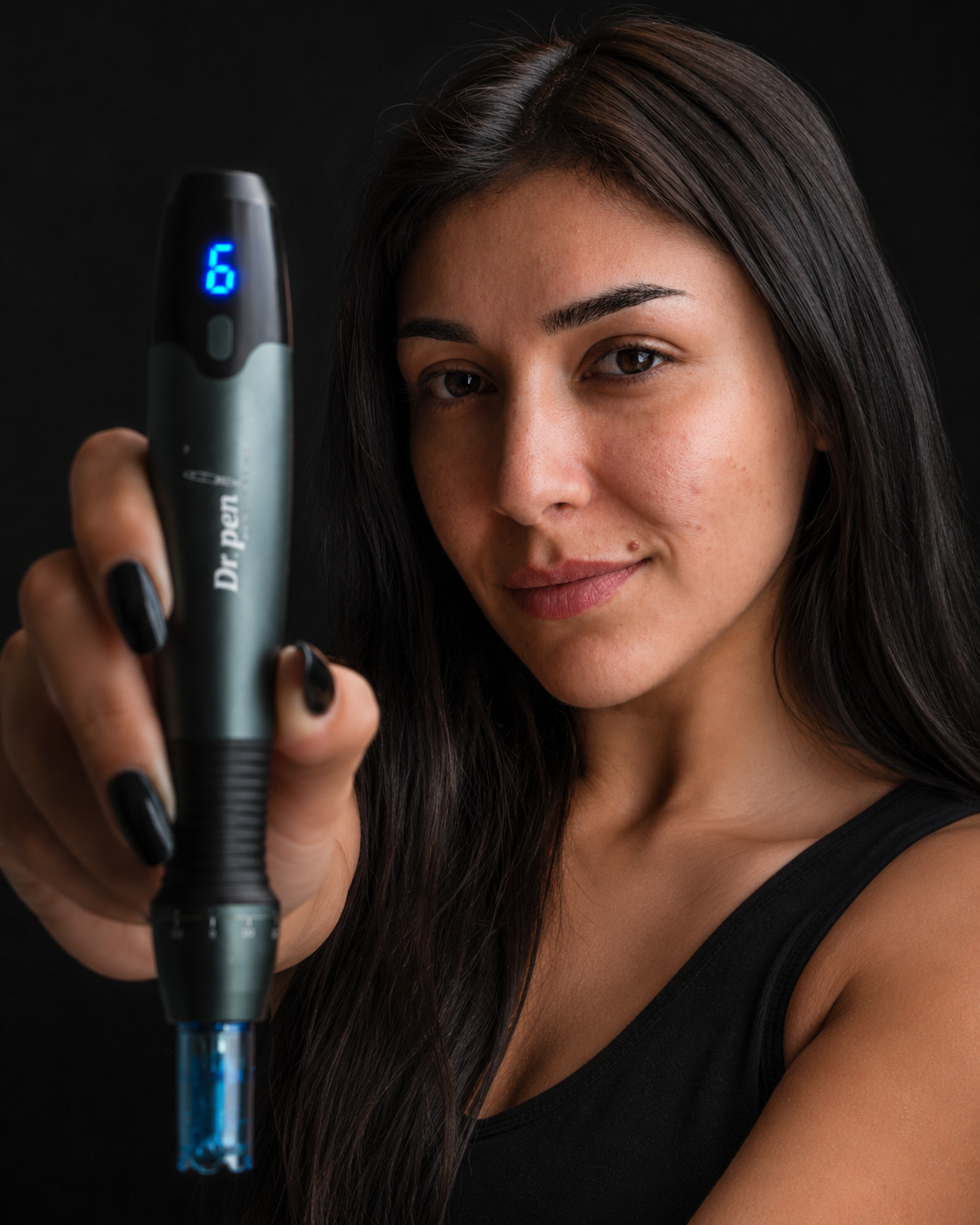
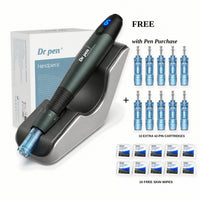
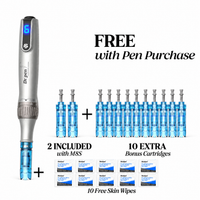
For example, the Dr. Pen A8S Medical Grade listing describes six adjustable speeds, a rechargeable battery for wireless use and an additional module for wired operation. Those features describe how the device operates. They do not establish which settings are appropriate for a particular person or predict how much improvement they will see.
When a collagen pen treatment disappoints, do not assume that a faster speed, more passes or a deeper setting would solve the problem. More redness, pain or bleeding is not reliable evidence of a better treatment.
Check regulatory claims for the exact model and intended use. A “medical grade” label is not itself proof of FDA clearance, and clearance associated with one model does not transfer to every pen sold under the same brand.
Also confirm that the cartridge is genuine, compatible and sterile, with intact packaging before use. Cartridges should be single-use and never shared or reused across sessions. Device authenticity and sterile technique support safety, but neither substitutes for appropriate clinical judgment.
5. Irritation and inconsistent comparisons are hiding the outcome
Lighting can make shallow scars appear dramatically different. Side lighting emphasizes depressions, while soft frontal lighting can hide them. Camera distance, facial expression, makeup and moisturizer can also change the apparent result.
Take baseline and follow-up photographs with the same camera, lighting, distance and expression. Photograph clean skin without makeup, and avoid comparing a swollen post-treatment face with a fully healed baseline. Review the original images rather than filtered or compressed social media versions.
A collagen pen treatment can be difficult to assess if the skin remains irritated by harsh skincare, repeated exfoliation or another procedure introduced during recovery. Ongoing breakouts can also create new marks while older ones improve, making the overall appearance seem unchanged.
Follow the treating clinician’s aftercare instructions rather than adding products to “boost collagen.” Use sun protection as advised and tell your provider about persistent dryness, stinging or discoloration. Do not apply acids, retinoids or unapproved topical mixtures to freshly treated skin unless specifically directed.
Changing several products and procedures at once makes it harder to identify what helped, what irritated the skin and whether the original treatment was worthwhile.

Review these details before paying for another session
A useful follow-up should be more specific than “give it longer.” Bring your treatment dates, device details if available, skincare list and comparable photographs. Explain which feature you expected to change and whether it has improved at all.
Use the following questions to organize that conversation:
| What to review | Why it matters | What to ask |
|---|---|---|
| Original diagnosis | Different concerns need different approaches | Is this primarily scarring, pigmentation, wrinkles or skin laxity? |
| Time since treatment | Early recovery is not the final outcome | When should this concern be assessed after the last session? |
| Treatment plan | Repetition needs a clear rationale | What improvement is realistic, and when would we change approach? |
| Device and cartridge | Claims and compatibility are model-specific | Which model and sterile single-use cartridge were used? |
| Photographs | Lighting can exaggerate or conceal change | Can we compare healed images under matching conditions? |
| Recovery problems | Irritation can obscure benefit or signal harm | Does this redness, sensitivity or discoloration need treatment? |
A collagen pen treatment should have a reason to continue beyond the fact that more appointments are available. Ask your provider to distinguish among delayed improvement, modest improvement and no meaningful response.
If the answer remains unclear, a dermatologist can reassess the diagnosis and discuss alternatives. Changing approaches may be more appropriate than increasing treatment intensity.
When to stop and seek medical advice
Lack of visible improvement alone is usually not an emergency. Worsening symptoms are a different issue. Increasing pain, spreading redness, unusual warmth, pus, fever or a wound that is not healing warrant prompt medical assessment. Seek urgent care for rapidly progressing symptoms or feeling seriously unwell.
Persistent darkening or lightening of the skin, new scarring and prolonged inflammation also need review before further treatment. Do not try to correct these changes with another session.
Before repeating a collagen pen treatment, disclose active acne lesions, skin infections, eczema flares, a history of keloid scars and conditions that impair healing. Your clinician should also review medicines that affect bleeding, immunity or skin healing. Do not stop prescribed medication on your own.
The FDA’s guidance on microneedling devices explains the risks and states that it has not authorized microneedling medical devices for over-the-counter sale. An online purchase does not establish that a device is appropriate for unsupervised treatment. For procedures that penetrate living skin, seek a qualified, appropriately licensed healthcare professional with training in the specific device.
Frequently asked questions
Is collagen induction therapy the same as microneedling? Microneedling is commonly called collagen induction therapy because it aims to stimulate a healing response that includes collagen remodeling. However, “collagen pen” is an informal term, so confirm the exact procedure and device being offered.
How long should I wait before deciding it did not work? Do not judge the final result during the initial redness and swelling. Visible improvement may develop over weeks, with fuller results taking several months. Your provider should set a review date based on the concern, treatment course and device used.
Does no peeling or bleeding mean the session failed? No. Peeling and bleeding are not reliable measures of effectiveness. A collagen pen treatment should be judged by an appropriate clinical endpoint and healed results, not by how dramatic the immediate reaction looks.
Should I repeat treatment sooner if nothing has changed? Not without a clinical review. Professional sessions are generally spaced several weeks apart, and the appropriate interval varies. Treating more often can add irritation without addressing the reason for poor results.
Would adding PRP guarantee a better outcome? No. Some studies suggest benefit from combining platelet-rich plasma with microneedling for certain acne scars, but protocols and evidence quality vary. It is an additional medical procedure, not a guaranteed fix for an incorrect diagnosis, unsuitable plan or inadequate recovery time.
Choose the next step based on the reason
Before buying another pen or booking another session, establish whether you are waiting for remodeling, treating the wrong concern or seeing a genuine lack of response. Standardized photographs and a defined follow-up date are more useful than escalating intensity.
If you are reviewing a Dr. Pen purchase, confirm the exact model, manufacturer-verifiable authenticity and compatible cartridges with Dr. Pen Store support. For treatment suitability, settings or an unexpected skin reaction, consult the clinician responsible for your care.